Rhinoplasty in Bangkok.
Also known as nose job · nose augmentation · open rhinoplasty · เสริมจมูก in Thai

Rhinoplasty in Bangkok: prices start from about $207 (฿6,990) at 129 clinics that publish prices. The clinic confirms your final quote, so take the free 60-second quiz and we match you with four to compare.
- 4.9 average Google rating across 42,700+ reviews
- 17 clinics publish prices; 27 prices compared
- 2 verified partner clinics
- Lowest listed price
- $207
- ฿6,990
- Middle price, Open rhinoplasty
- $3,550
- ฿120,000
- Clinics with a price
- 17
- Prices updated October 7, 2026
The short answer
- 01Two different operations share the word rhinoplasty on Bangkok menus: an implant that raises a low bridge, and open surgery that reshapes the bone and cartilage you already have.
- 02Published prices start from about $207 (฿6,990) for the simplest implant work. Typical price for Open rhinoplasty: about $3,550 (฿120,000) across the clinics we track.
- 03Most Western visitors want a smaller, straighter or more refined nose, which usually means open or closed reshaping, not an implant. Say which one you want before you compare quotes.
- 04Plan on at least 10 days in Bangkok: the NHS says the splint stays on for about 7 days and advises against flying for 7 to 10 days after facial surgery.
- 05The catch: the surgeon matters far more than the price. Check the name and license, ask who gives the anesthetic, and agree in writing what happens if you need a revision.
At a glance
- Operation
- 1.5 to 3 hours (NHS)
- Anesthesia
- Usually general (NHS)
- Splint
- About 7 days (NHS)
- Bruising
- Fades by about 3 weeks (NHS)
- Final shape
- Swelling can take 6 months (NHS)
- Before flying
- 7 to 10 days (NHS)
From Bangkok clinic price lists
What you pay for Rhinoplasty in Bangkok.
Based on the list prices of 17 Bangkok clinics. Promotions and bundles are not counted, and any size fewer than three clinics list is left out.
- Lowest
- $2,364
- ฿79,900
- Typical
- $3,550
- ฿120,000
- Highest
- $5,620
- ฿189,900
Each dot is one clinic's list price. The line marks the typical (median) price; the shaded band holds the middle half of clinics.
Compared with prices at home
US price, for reference
Average surgeon's fee for rhinoplasty in ASPS statistics. Surgeon's fee only; anesthesia and the operating room cost extra at home. Bangkok menus price this operation in many different ways, so we show the home figure for reference and work out no saving. Source: American Society of Plastic Surgeons, 2023 (published average).
Typical means the middle price. Home prices in pounds and Canadian dollars are converted at November 2026 rates from GOV.UK. Add flights and a hotel before you decide.
Usually included
- The surgeon's fee for the technique on your quote
- The implant, where the plan uses one, with its brand and size named
- Local anesthesia, or sedation where the clinic offers it
- The splint, dressings and the first check when it comes off
Check whether these cost extra
- General anesthesia and an anesthesiologist, at some clinics
- A hospital bed overnight
- Ear, septum or rib cartilage, often priced as extras
- Medicines, scans and blood tests before surgery
- VAT, where the clinic adds it at the counter
- A revision if you are unhappy with the shape later
Dollar amounts are approximate, at ฿33.8 = $1 (GOV.UK consular rate for November 2026).
129 clinics that do Rhinoplasty.
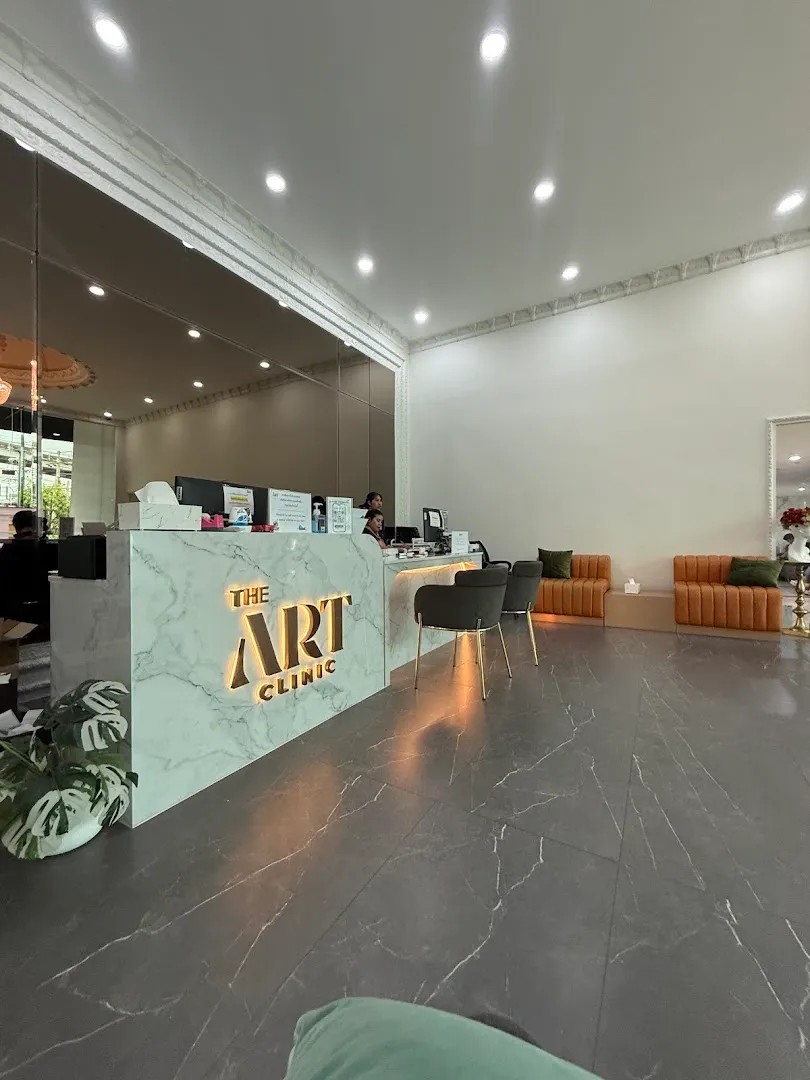
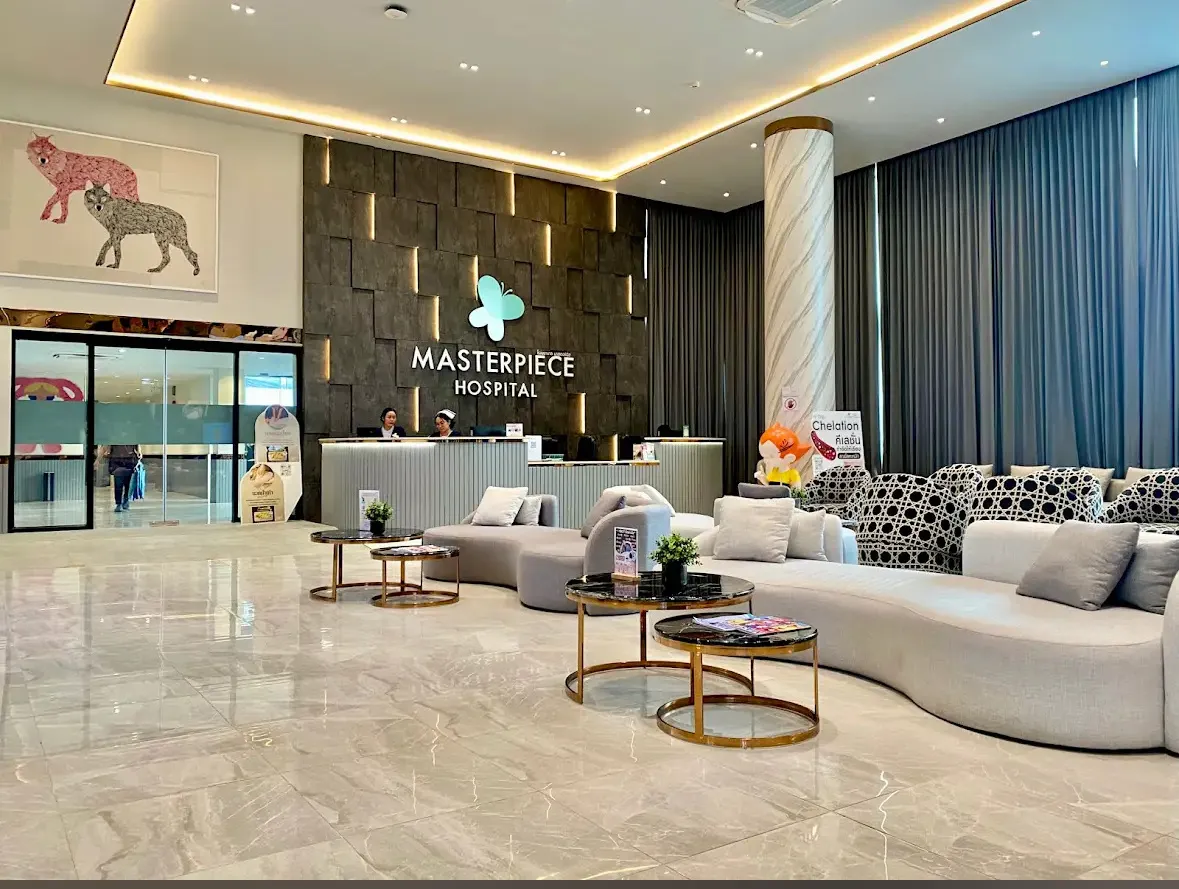
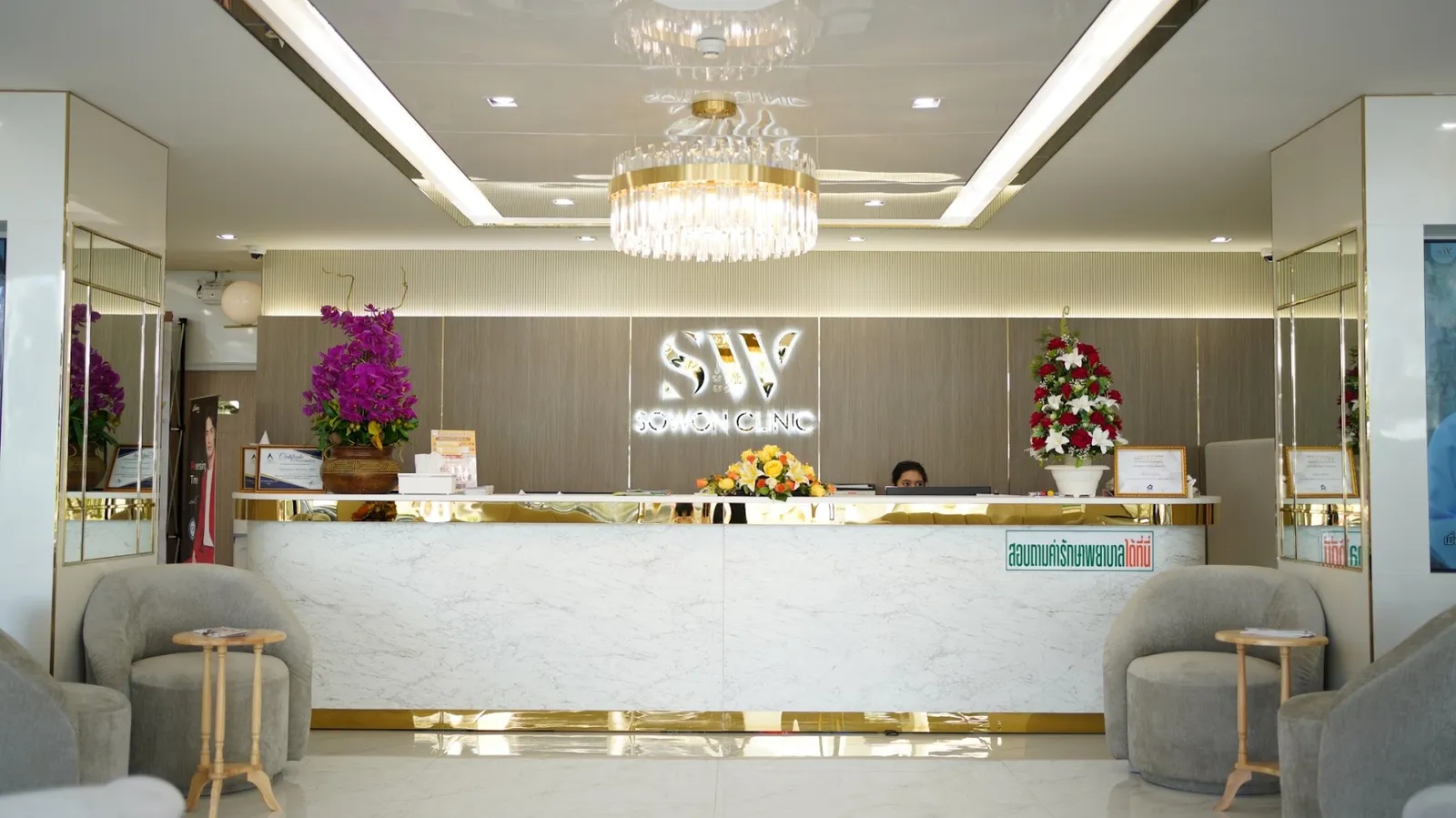
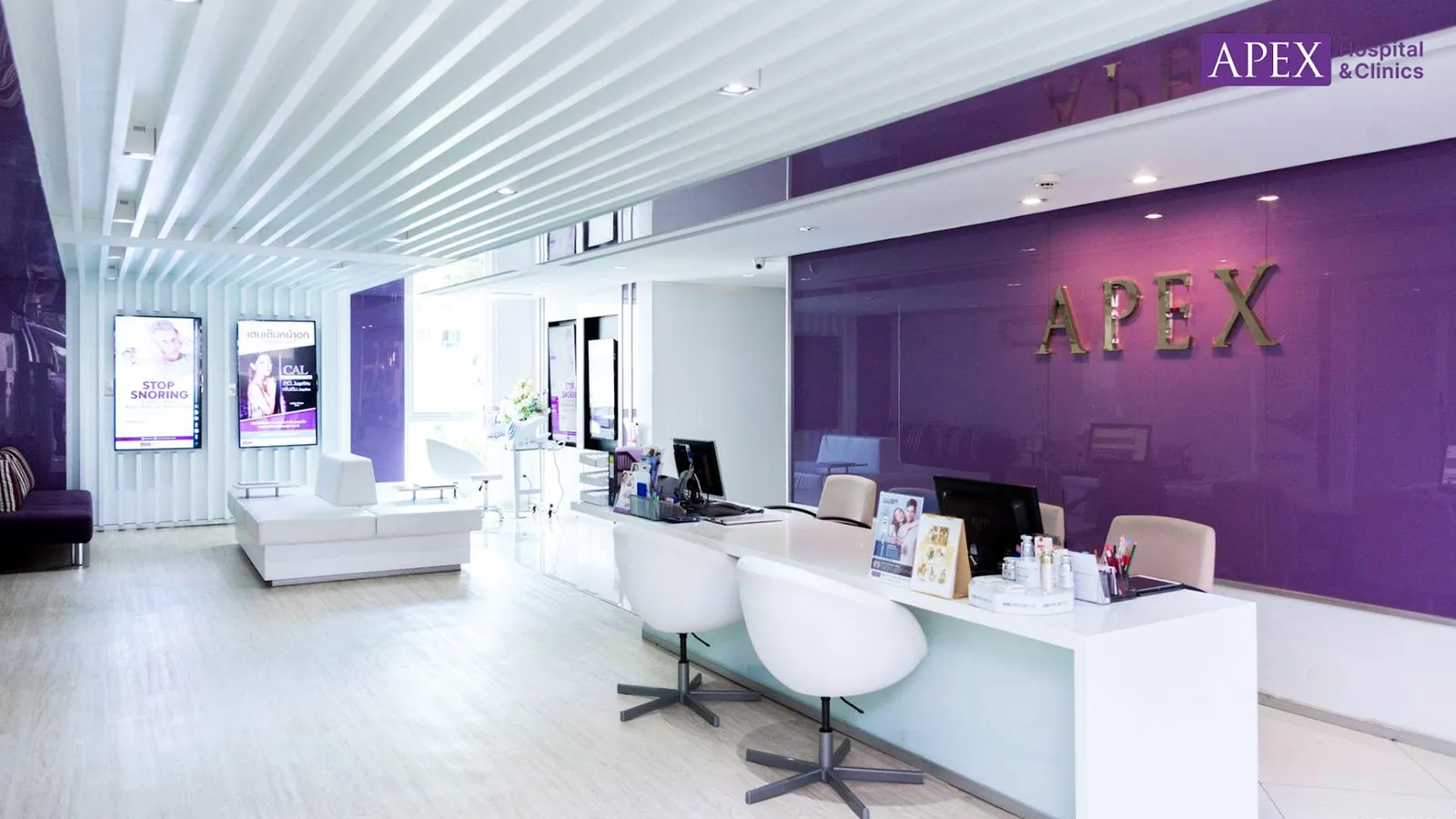
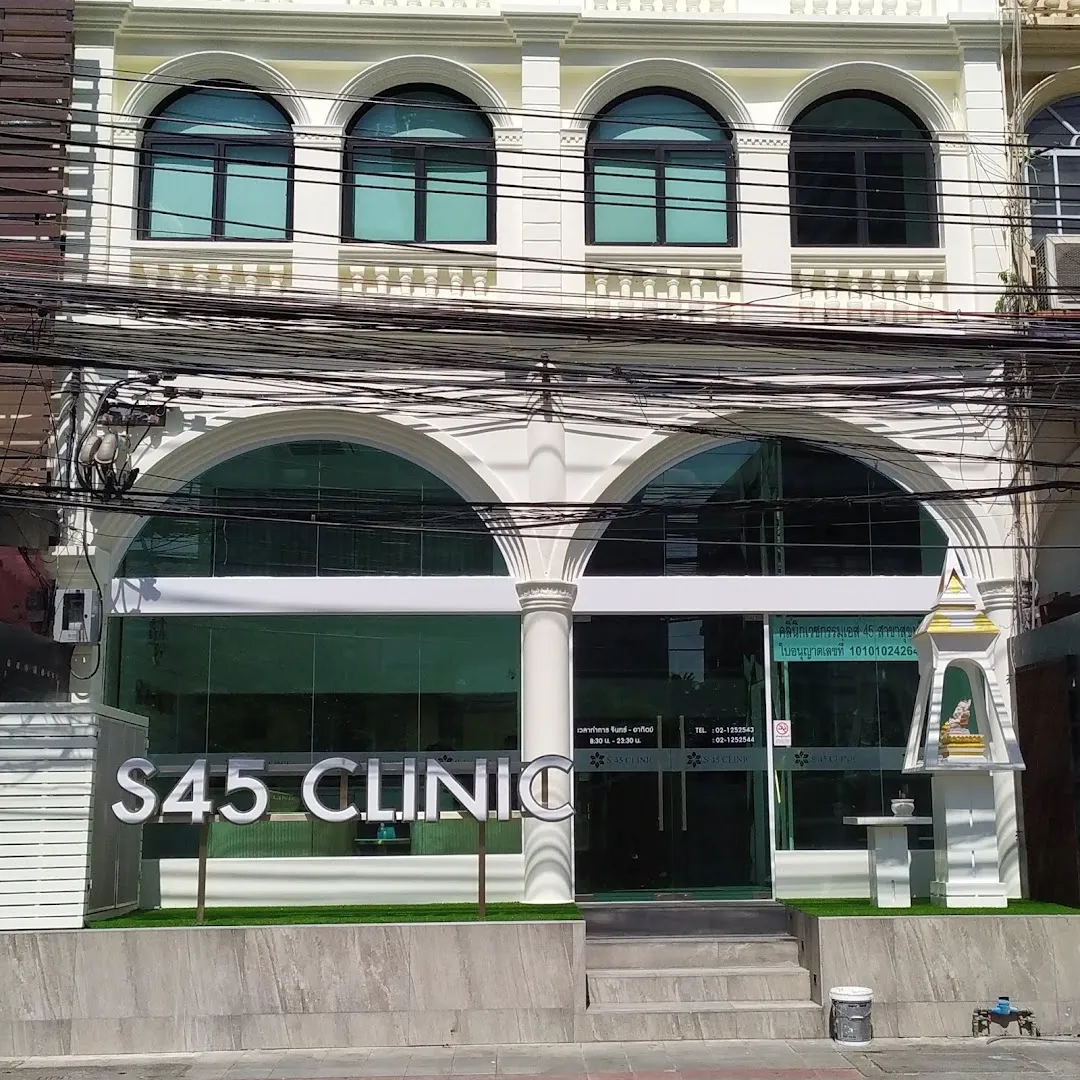
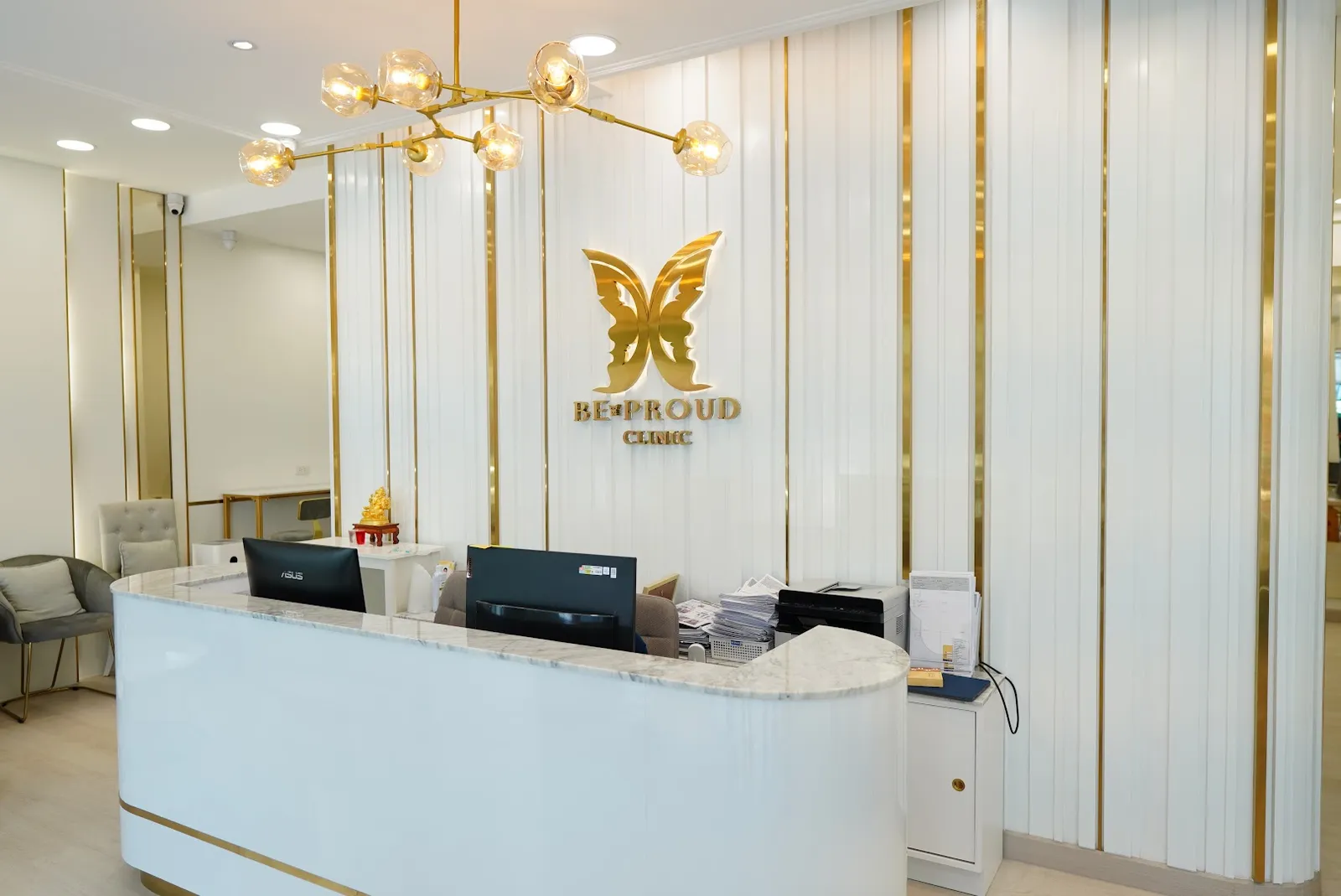
Showing 1–10 of 129 clinics
Rhinoplasty by area
No cost to you
Get quotes for Rhinoplasty from 4 clinics.
Answer a 60 second quiz about your goals, budget and travel dates. We match you with four Bangkok clinics, and they reply with availability and a quote.
Full guide
Everything about Rhinoplasty in Bangkok.
11 chapters based on medical sources and Bangkok price data, with every source listed below.
Two operations called rhinoplasty
Rhinoplasty means changing the shape of the nose. In Bangkok the word covers two quite different operations, and knowing which one you want is the first step to a fair quote.
- Implant augmentationAdds height to a low bridge with silicone, often with ear cartilage at the tip. Usually closed.
- Open or closed reshapingReduces a hump, refines the tip, narrows or straightens, using your own bone and cartilage.
- Semi-openA Thai menu term for a middle route with smaller incisions. Ask what it changes.
- RevisionCorrects an earlier operation. Usually the longest and most complex of the four.
The first is nose augmentation, เสริมจมูก in Thai. The surgeon slides a shaped silicone implant along the bridge through a small cut inside the nostril, often with a piece of ear cartilage over the tip. It raises a low or flat bridge and makes the tip project more. Many Bangkok clinics list it, and many price it as a closed rhinoplasty.
The second is reshaping: removing a hump, narrowing the bones, refining or lifting the tip, straightening a crooked nose. This is done open, through a small incision across the skin between the nostrils, or closed, entirely inside the nose, and it may use cartilage from your septum, ear or rib. It is what most surgeons in the US, UK or Australia mean by a rhinoplasty, and it usually costs several times an implant job in our listings.
Is rhinoplasty right for you?
Good candidates have a specific change in mind, a nose that has finished growing, good health and realistic expectations. The NHS suggests talking to your own doctor first, taking time to decide, and remembering that results cannot be guaranteed.
Breathing matters as much as looks. If you struggle to breathe through your nose, say so at the consultation: a surgeon may need to look inside it before planning the shape, and a purely cosmetic quote may not cover that work.
A good fit if
- A hump on the bridge, a drooping or bulbous tip, or a nose that looks wide
- A low or flat bridge you would like raised, where an implant or cartilage can help
- Breathing through the nose is hard and a surgeon has examined why
- You are healthy, do not smoke, and your face has finished growing
- You can spend at least 10 days in Bangkok and come back if needed
Think twice if
- You want a precise copy of someone else's nose
- You need to be back at work, in photos or on a beach within a week
- A previous nose operation went wrong and nobody has examined you yet
- You are hoping a new nose will fix how you feel about your whole face
- The only plan on offer is the cheapest implant, with no exam of your nose
Open, semi-open or implant: what each costs here
Bangkok menus name techniques in their own way. Open rhinoplasty is the clearest. Semi-open is a local term for a middle route with smaller incisions. Closed rhinoplasty on a Thai menu usually means an implant placed through the nostril, though a few surgeons use the word for reshaping done inside the nose.
Materials change the price as much as the technique. Silicone is the cheapest option and the most common for augmentation. Ear cartilage is often added at the tip. Rib cartilage gives a surgeon the most material for a big change or a revision, and it is priced well above other options in the few listings that name it.
Here is what each technique costs in our Bangkok listings. Treat the cheapest prices as a starting point: they are usually for a basic implant under local anesthesia, before extras.
Incision across the base of the nose
Open rhinoplasty
Open rhinoplasty, typical
$3,550
฿120,000 · from $2,364 at 5 clinics
Best for
Reshaping: humps, tips, width and crooked noses
The surgeon lifts the skin to see and reshape bone and cartilage directly. It leaves a small scar under the tip and the longest swelling.
Smaller incisions, often inside the nostrils
Semi-open
Semi-open, typical
$737
฿24,900 · from $651 at 3 clinics
Best for
Tip work with less dissection
A Thai menu term for a middle route. Ask the surgeon exactly what they will change and where the cuts go.
Silicone implant through the nostril
Implant augmentation
Implant or closed, typical
$530
฿17,900 · from $207 at 7 clinics
Best for
Raising a low or flat bridge
The classic Thai nose job, often with ear cartilage over the tip. It adds height and does little to make a nose smaller.
Three different operations, not three prices for one. Same Bangkok listings and method: each clinic counts once at its lowest list price, and a technique drops out when fewer than three clinics list it.
Silicone implants and your own cartilage
Silicone implants are popular across Asia because they are quick to place, need no second wound and can be removed. The trade off is that the body never absorbs them, so problems can appear years later, and a nose that is pushed too high is under constant tension.
The research is mostly single surgeon series, so read it as a guide rather than a promise. In a 2005 study in the Annals of Plastic Surgery, 28 of 355 Chinese patients (7.9%) had a major complication that needed the implant removed or revised, and the authors linked the largest implants to the highest rates of extrusion and infection. A 2025 series of 1,019 patients from one surgeon in the Aesthetic Surgery Journal reported implant malposition in 4% and revisions for dissatisfaction in 4%.
- of 355 patients needed a silicone implant removed or revised (major complications)
- 7.9%
- Source: Tham et al., 2005
- implant malposition in a single surgeon series of 1,019 patients
- 4%
- Source: Kwan et al., 2025
- revision rates after rib cartilage grafts, across 25 studies
- 1% to 7%
- Source: Datta et al., 2026
Your own cartilage avoids a foreign body but brings other risks. A 2026 systematic review of 28 studies in JPRAS Open found lower infection and extrusion rates with the patient's own cartilage, with warping and some resorption as the downsides. For rib cartilage, a 2026 meta-analysis of 25 studies and 2,322 patients found infection rates of 1% to 2%, warping of 1% to 3%, and revision rates from 1% to 7% depending on the type of cartilage.
Recovery, week by week
The first week is the hardest. The NHS describes a splint taped over the nose for about 7 days, a blocked nose for about a week, light nosebleeds for the first few days, and swelling and bruising around the eyes that can last up to 3 weeks. Sleep with your head raised and keep cold packs handy.
After that the change is gradual. Most of the visible swelling goes within weeks, but the NHS says it can take up to 6 months to settle fully, and the tip is usually the last part to look final. Judge the result after months, not days.
Day 0
Surgery
The NHS says an operation takes about 1.5 to 3 hours, usually under general anesthesia, with 1 or 2 nights in hospital. Clinic implant work is often shorter.
Days 1 to 7
Splint and stuffy nose
A splint is taped over the nose for about 7 days, and breathing through it can be hard for about a week, according to the NHS.
Around day 7
Splint off
Stitches that do not dissolve come out and the splint may come off. This is the check to have before you think about flying.
Weeks 2 to 3
Back in public
The NHS says you may need up to 2 weeks off work, and bruising and redness may fade by about 3 weeks.
Weeks 4 to 6
Exercise again
Swimming may be possible from about 3 weeks and strenuous exercise usually at 4 to 6 weeks, per the NHS. Your surgeon sets your dates.
Up to 6 months and beyond
The shape settles
The NHS says swelling can take up to 6 months to go fully, and the full effect takes several months to show.
Risks to know about
Every operation carries a small risk of heavy bleeding, blood clots, infection and a reaction to the anesthetic. The NHS lists less common problems specific to the nose: lasting difficulty breathing, damage to the wall between the nostrils, a changed sense of smell and heavy nosebleeds. It gives no percentages and says your surgeon should explain how likely each one is.
- InfectionFever, heat or spreading redness needs the clinic the same day, especially with an implant.
- BleedingLight oozing is normal for a few days; steady bleeding is not.
- Blood clotsThe NHS warns that air travel and major surgery both raise the risk of a clot.
- The shapeSwelling hides the result for months. Ask how the clinic handles revisions before you book.
Implants add their own: infection, an implant that shifts or shows through the skin, and extrusion, where it works its way out. Cartilage grafts can warp. Any rhinoplasty can leave a shape you dislike, so discuss revision before the first operation, not after.
- Less common: breathing problems, a changed sense of smell, damage to the septum
- With an implant: infection, shifting, showing through the skin, extrusion
- Call the clinic quickly: fever, spreading redness, heavy bleeding, sudden pain or swelling in one leg after flying
Choosing a surgeon and a safe setting in Bangkok
Bangkok has board certified plastic surgeons in large private hospitals and in specialist surgery centers, and also clinics where nose jobs are sold like a beauty service. The Medical Council of Thailand licenses every doctor. Since July 3, 2026, according to Pattaya Mail, its rule requires doctors who advertise cosmetic services to show their full name and license number, so a clinic that will not name your surgeon is a clinic to leave.
Check the building too. In April 2026, Pattaya Mail reported the Medical Council urging patients to look up a clinic's license on the Department of Health Service Support website, hosp.hss.moph.go.th, which shows the license type, the operator and the medical staff. A missing or expired record may mean the facility is not authorized to operate.
For an open rhinoplasty, a rib graft or a revision under general anesthesia, ask where it happens and who looks after the anesthetic; a hospital with its own operating rooms and an anesthesiologist is the safer default. Accreditation such as JCI describes the hospital's systems, not the surgeon, so check both.
Your days in Bangkok
A nose job does not fit a long weekend. Allow a day or two for the consultation and tests, the operation itself, about a week in a splint, and the check when it comes off. The NHS advises against flying for 7 to 10 days after facial cosmetic surgery and warns that air travel and major surgery both raise the risk of a blood clot.
Bangkok's heat and humidity make the first week sticky under tape, so pick a quiet, air conditioned hotel close to the clinic. The NHS advises resting rather than sightseeing after surgery and keeping out of the sun and the pool; it suggests swimming may be possible at about 3 weeks. Save the islands for another trip, or for the very end of a long one, once your surgeon has signed you off.
Send photos of your nose from the front, side and below, say whether you want it smaller, straighter or higher, and ask which technique and material each clinic proposes.
Meet the surgeon in person, agree the plan, have blood tests and sign consent. The NHS recommends two consultations with the surgeon before any surgery; a video call before you travel can be the first.
Surgery. Stay near the hospital or clinic, ideally in a hotel with room service and air conditioning, because you will not want to go out.
Rest with your head raised. Short walks help circulation; skip saunas, pools and the sun.
Splint off and a check with your surgeon. Ask for your operation notes, the implant brand and size, and photos.
Fly home only when your surgeon agrees, and not before the NHS window of 7 to 10 days. On a long flight drink water, walk the aisle and ask about compression stockings.
Follow up and revision after you fly home
The NHS warns that overseas clinics may not provide follow up treatment, or not to the same standard as at home. Before you book, ask how the clinic checks on you after you leave: video reviews, photos at set weeks, and what happens if a problem needs hands on care.
- Operation notesTechnique, grafts, implant brand and size, and your surgeon's name and license number.
- Review datesAgree video or photo checks for the first weeks and months after you fly.
- Revision policyIn writing: what is covered, for how long, and who pays for the flight.
- A doctor at homeKnow who you would see locally if something goes wrong.
Take home your operation notes, the name of the surgeon, the implant brand and size if you have one, and your medicines list. A doctor at home who sees an infected implant or a breathing problem needs that information fast. Ask too whether the clinic offers a revision policy, what it covers, and whether you would have to fly back for it.
Red flags and what to ask
A good Bangkok surgeon will examine your nose, explain why one technique suits it, and be honest about what it cannot do. Watch for these signs before you pay a deposit.
A price with no technique
Ask whether the quote is for an implant, closed reshaping or open rhinoplasty, and which cartilage or implant it includes.
No surgeon's name
Since July 3, 2026, doctors who advertise cosmetic services in Thailand must show their full name and license number. Ask for both and check them.
An unregistered clinic
Search the clinic's license on the Department of Health Service Support site, hosp.hss.moph.go.th, before you pay a deposit.
A very high bridge on request
In a 2005 study of 355 patients, the largest implants had the highest extrusion and infection rates. A careful surgeon may talk you down.
Nobody mentions anesthesia
Ask whether you will have local, sedation or general anesthesia, and who gives it and watches you.
A flight home two days later
The NHS advises against flying for 7 to 10 days after facial surgery. A clinic happy to see you fly sooner is not planning your aftercare.
Questions to ask before you pay
- 1.Which technique do you recommend for my nose, and why not the others?
- 2.Who operates, what is their full name and license number, and how many nose operations do they do?
- 3.Will you use an implant, my own cartilage, or both, and which brand and size?
- 4.Who gives the anesthetic, and where do I recover?
- 5.What does the price include, and what costs extra?
- 6.What happens, and who pays, if I need a revision after I fly home?
Rhinoplasty, answered.
How much is Rhinoplasty in Bangkok?
Prices start from about $207 (฿6,990) at the 17 Bangkok clinics that publish one, with Open rhinoplasty at a middle price near $3,550 (฿120,000). Promotions are not counted, listed prices may not include 7% VAT, and the clinic confirms your final quote.
Is nose augmentation the same as rhinoplasty?
It is one type. Augmentation adds height with an implant or cartilage, usually through the nostril. Reshaping rhinoplasty changes your own bone and cartilage to make a nose smaller, straighter or more refined. Bangkok menus use the word for both.
Which technique do I need for a hump or a wide nose?
Usually reshaping, open or closed, not an implant. Only a surgeon who examines you can say which approach suits your nose, so send photos and ask each clinic to explain its plan.
How long should I stay in Bangkok after a nose job?
Plan on at least 10 days. The NHS says the splint stays on for about 7 days and advises against flying for 7 to 10 days after facial cosmetic surgery. Your surgeon may want longer after an open or revision operation.
When can I fly home after rhinoplasty?
Only when your surgeon has seen you after the splint comes off and agrees. The NHS advises waiting 7 to 10 days after facial surgery and notes that flying and surgery both raise the risk of blood clots.
How long until I look normal in public?
The NHS says you may need up to 2 weeks off work, and bruising and redness may fade by about 3 weeks. The final shape takes longer: swelling can take up to 6 months to go fully.
Does rhinoplasty hurt?
It is usually more uncomfortable than painful. The NHS describes a sore, stiff and numb nose and difficulty breathing through it for about a week.
Is a silicone nose implant safe?
It is widely used, but not risk free. In a 2005 study of 355 patients, 7.9% had a major complication needing removal or revision, most often with the largest implants. Choosing a modest height and an experienced surgeon lowers the risk.
Is my own cartilage better than an implant?
It avoids a foreign body. A 2026 systematic review found lower infection and extrusion rates with the patient's own cartilage, but cartilage can warp or partly resorb. The right choice depends on your nose and the change you want.
What is rib cartilage rhinoplasty?
Cartilage from a rib gives the surgeon plenty of strong material for a big change or a revision. A 2026 meta-analysis of 25 studies found infection rates of 1% to 2% and warping of 1% to 3%. It costs more and leaves a small chest scar.
Can I combine rhinoplasty with other surgery?
Many Bangkok clinics offer a nose and chin together, or a nose with eyelid surgery. Longer operations mean more anesthesia and a longer recovery, so ask the surgeon whether combining is wise for you and how it changes your stay.
What if I am not happy with the result?
Wait for the swelling to settle before judging; the NHS says that can take up to 6 months. Agree a revision policy in writing before surgery, including who pays for flights, because you may need to return to Bangkok.
How do I check a Bangkok surgeon is licensed?
Ask for the full name and license number, which doctors who advertise cosmetic services must show under a Medical Council of Thailand rule from July 2026, and check the clinic's license on hosp.hss.moph.go.th.
Why do Bangkok rhinoplasty prices vary so much?
Technique, material, cartilage, anesthesia, a hospital stay and the surgeon all move the price, and many menus show a starting price before extras. Compare like with like: our table separates implant, semi-open, open and revision prices.
Is rhinoplasty cheaper in Bangkok than at home?
Often, but compare complete quotes. Our comparison above shows published home figures for reference; it works out no saving because home surveys and Bangkok menus price different operations and extras. Add flights, about two weeks of hotel and time off work.
How do I find an English speaking rhinoplasty surgeon in Bangkok?
Take the free 60 second quiz or enquire with any clinic on this page. We match you with four Bangkok clinics that fit your plan, and each replies with availability and a quote. It is free for you.
Often compared with
Related treatments
Sources
Where this information comes from
Reviewed by the BangkokClinics editorial team
Last reviewed November 10, 2026
Medical information comes from the sources listed here. Prices come from Bangkok clinic price lists we collect and refresh.
Double check with AI
Open this page in an AI assistant and ask it to check the facts against the sources.
Sources
- 1.Nose reshaping (rhinoplasty) · NHS, 2023
- 2.Cosmetic surgery abroad · NHS, 2022
- 3.Silicone augmentation rhinoplasty in an Oriental population (Tham et al.) · Annals of Plastic Surgery, 2005
- 4.Thirty-year experience in augmentation rhinoplasty using silicone implants (Kwan et al.) · Aesthetic Surgery Journal, 2025
- 5.Outcomes and complications of autologous versus alloplastic grafts in augmentation rhinoplasty: a systematic review (Khatlah et al.) · JPRAS Open, 2026
- 6.Rib grafts in rhinoplasty: a systematic review and meta-analysis of autologous, fresh-frozen and irradiated cartilage (Datta et al.) · Plastic and Reconstructive Surgery Global Open, 2026
- 7.Thailand warns beauty clinics doctors must show real names and licenses · Pattaya Mail, 2026
- 8.Thailand urges public to check clinic licenses online to avoid illegal treatment risks · Pattaya Mail, 2026
General information only, not medical advice. Your doctor decides what is suitable for you. Listed prices can change, and the clinic confirms your quote.
GET MATCHED FOR RHINOPLASTY.
One short quiz, four matched Bangkok clinics, and quotes sent straight to you.
Compare my 4 matched clinics →