FLYING AFTER FACELIFT BANGKOK: TIMING, SWELLING, PRESSURE
Facelift patients ask when it is safe to board home. Here is the Bangkok recovery timeline, cabin pressure risk, and when surgeons sign off.
By Royce
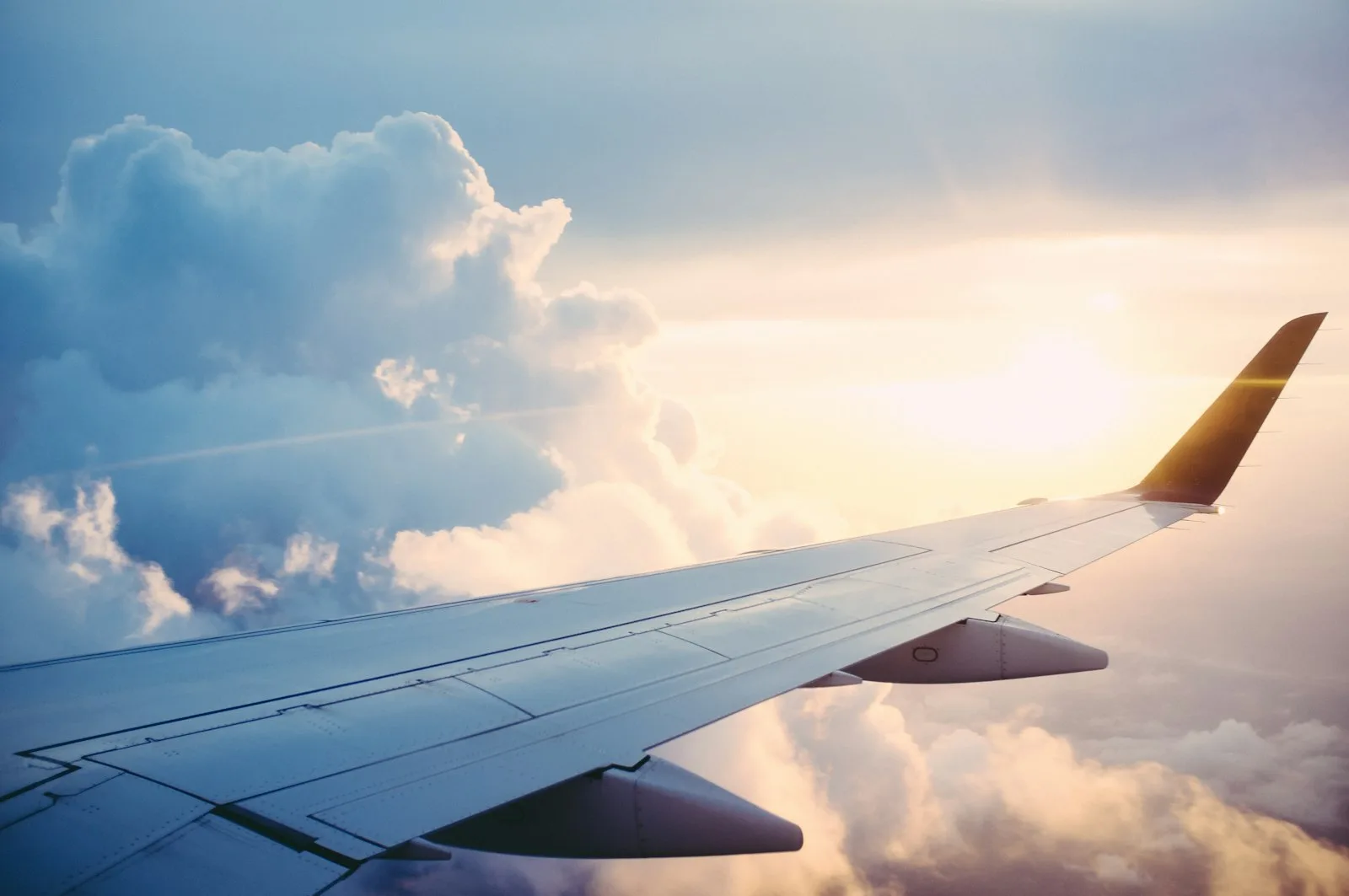
A Bangkok facelift is a bigger undertaking than rhinoplasty or liposuction, and the flight home is where most medical tourists get the timing wrong. Swelling, cabin pressure, and the risk of a seroma under the SMAS flap all push the fit-to-fly window later than people plan for. This guide covers how long Bangkok surgeons actually want you on the ground, what paperwork airlines ask for, and where to stay while you heal.
HOW SOON CAN YOU FLY AFTER A BANGKOK FACELIFT?
Most Bangkok plastic surgeons clear facelift patients for a long-haul flight at day 10 to day 14 after surgery, assuming drains are out, sutures are removed or dissolving cleanly, and bruising has peaked. A short regional hop to Singapore, Hong Kong, or Kuala Lumpur is sometimes cleared at day 7, but only for a straightforward mini-lift or SMAS lift without a neck component. Deep plane facelifts and extended SMAS lifts with platysmaplasty get a longer leash because the lymphatic drainage under the jaw takes longer to settle.
The window gets shorter if you had combined procedures. A facelift stacked with an endoscopic brow lift or upper blepharoplasty adds periorbital swelling that lingers for another week. A facelift plus fat grafting to the midface adds graft-fragility rules: no pressure over the grafted zones for 14 days, which rules out sleeping against a plane headrest without a horseshoe pillow. Flat-bed business class is the single biggest tool for shortening the clearance window, and most Bangkok clinics mention it in the pre-op packet.
WHY FACELIFT RECOVERY NEEDS LONGER THAN RHINO OR LIPO
Facelift incisions run along the hairline, through the pre-auricular crease, around the earlobe, and into the post-auricular sulcus. Those skin flaps are undermined widely to reposition the SMAS layer, which means a large area of raw tissue is sitting between skin and deep fascia. That is the zone where seromas and hematomas form, and cabin pressure plus dependent head posture during a long flight makes both more likely. By comparison, our rhinoplasty flying guide deals with intranasal congestion and splint fit, which is a different problem.
Swelling also follows gravity. A rhinoplasty patient gets puffy under the eyes for a few days and then drains. A facelift patient gets jowl and neck swelling that can double in the first 48 hours, then taper over two weeks. Flying before day 10 can re-inflate that swelling for 24 to 72 hours after landing, which is why most Bangkok surgeons quietly ask patients to add a buffer rather than booking the return ticket on day 8.
COMPRESSION HEADWRAP AND CABIN PRESSURE
Bangkok clinics send patients home with an elastic chin strap or compression headwrap. Wear it for the entire flight. The wrap keeps the SMAS flap pressed against the deep tissue plane, limits lymphatic pooling, and reduces the chance that vibration during taxi and turbulence shifts the flap. On a flight over six hours, surgeons also recommend icing in short cycles using a frozen water bottle wrapped in a thin towel, since cabins run dry and swelling worsens with dehydration.
Cabin pressure at cruise altitude sits around 6,000 to 8,000 feet of equivalent altitude. That shift does not usually matter for facelift tissue, but it does matter for the drains some surgeons still use. A Jackson-Pratt drain under negative pressure will shift behaviour at altitude, so Bangkok surgeons remove drains before clearing you to fly, usually around day 3 to day 5. If a drain is still in place, you are not flying.
FIT-TO-FLY CLEARANCE FROM BANGKOK SURGEONS
Thai clinics write fit-to-fly letters as a standard document, and most airlines serving Thailand accept them without further checks. The letter confirms the date of surgery, the procedure performed, the date drains were removed, and the surgeon's professional opinion that the patient is cleared for air travel. Keep two copies: one for cabin crew if asked, one for insurance in case of a claim after landing. Bangkok Plastic Surgery in Din Daeng, led by board-certified surgeon Dr. Pichet Rodchareon, is one of the clinics that issues these letters in English as part of the standard post-op packet. For more on verifying surgeon credentials in general, see our credentials verification guide.
Request the letter at your final post-op visit, not on the morning of the flight. Clinics in Sukhumvit, Phayathai, and Thonglor all follow the same format, so there is no point in shopping around for it. If your airline asks for a MEDIF form for a longer or more complex case, the clinic fills it in. Carriers like Singapore Airlines, Qatar, Emirates, and Thai Airways have published protocols for recent surgical patients and tend to approve facelift patients at day 10 without issue.
BUSINESS CLASS, ECONOMY, AND BLOOD-CLOT RISK
Deep vein thrombosis is the second big risk after a facelift, and it has nothing to do with the face itself. You were under general anaesthesia for four to six hours, you are still inflamed, and you are about to sit for twelve. That combination is why Bangkok surgeons push compression stockings for any flight over four hours in the first three weeks, and why hydration and aisle walks matter more than they do after a shorter surgery.
Flat-bed business class is a legitimate medical upgrade for facelift recovery. It elevates the head, reduces dependent swelling, keeps calves off the seat edge, and makes sleep possible without tilting the head onto a pillow that would press against the flap. Patients who can stretch the budget for business class on the return leg routinely report less post-flight swelling and a faster bruise-resolution curve. If economy is the only option, book an aisle seat, walk every ninety minutes, and double up on hydration.
PICKING A RECOVERY APARTMENT BEFORE THE FLIGHT HOME
Most facelift patients do not want to recover in a hotel. Noise, housekeeping, and short-stay check-outs collide with a 10-day recovery that needs quiet, laundry, and a kitchen for soft meals. Serviced apartments in Phayathai sit close to Bangkok Plastic Surgery, apartments around Phrom Phong and Thonglor sit close to Sukhumvit surgical clinics, and Phra Khanong works for budget stays with longer commute times. Our recovery apartment guide breaks down the three districts with real nightly rates.
RED FLAGS THAT SHOULD DELAY BOARDING
- 01Expanding bruising or firmness on one side of the face, which can signal a hematoma.
- 02Fever above 38 degrees Celsius in the 72 hours before the flight.
- 03A drain that has not been removed, or wound drainage that is still staining dressings.
- 04Sudden, unexplained swelling on one side 48 hours after the previous post-op visit.
- 05Calf pain, calf swelling, or shortness of breath, which can point to a DVT that needs evaluation before any flight.
- 06Open blisters along the incision line or pretrichial hairline, which indicate flap tension or vascular compromise.
HOW MUCH DOES A FACELIFT COST IN BANGKOK IN 2026?
A straightforward cheek-and-jowl facelift at an established surgical clinic sits around US$4,900 at Bangkok Plastic Surgery, which quotes international patients in US dollars. Endoscopic brow lift adds roughly US$3,500, and an upper or lower blepharoplasty adds US$1,500 to US$1,900. Hospital-based deep plane facelifts at Yanhee or Bangkok Hospital Plastic Surgery run higher once anaesthetist, hospital room, and senior surgeon fees are included. For context on clinic stance and prices, see the Bangkok Plastic Surgery clinic review.
HOW LONG UNTIL FACELIFT SWELLING IS FLIGHT-SAFE?
Visible bruising usually peaks at day 4 to day 5 and tapers by day 10. Deep swelling that affects the jawline and neck can linger four to six weeks, but it is not what blocks the flight. Airlines care about hematoma risk and seroma risk, both of which drop sharply after day 10 in a standard SMAS lift and after day 14 in deep plane or extended procedures.
CAN I FLY ECONOMY AFTER A BANGKOK FACELIFT?
Yes, but with conditions. Aisle seat, compression stockings, hourly walks on flights over six hours, and an inflatable neck pillow with a horseshoe cutout so your head is not pressing against the window frame. Patients heavier than 85 kilograms, smokers, or anyone with a personal or family DVT history should strongly consider premium economy or business class for any return flight longer than eight hours.
DO I NEED A FIT-TO-FLY LETTER FROM THE SURGEON?
Not every airline asks for it, but every Bangkok clinic issues one, and travel insurance providers increasingly require it after cosmetic surgery abroad. Carry it in your hand luggage along with a printed copy of the operative note. If you booked through a medical-tourism coordinator, they will usually pre-flag the booking with the airline so there are no surprises at check-in.
WHAT ABOUT DRAINS AFTER A FACELIFT?
Not every surgeon uses drains. Dr. Pichet Rodchareon at Bangkok Plastic Surgery and several Sukhumvit surgeons prefer a tissue-sealant technique that avoids drains for most SMAS lifts. If drains are placed, they come out at day 3 or day 4, well before any flight is booked. Flying with a drain is not allowed.
IS DEEP PLANE FACELIFT RECOVERY SLOWER THAN SMAS?
Slightly. Deep plane facelift dissects beneath the SMAS and releases the deeper retaining ligaments, which produces a stronger midface lift but also a longer swelling curve. Add three to four days to every milestone compared with a traditional SMAS lift. For a related series that spans multiple procedures, our stitch removal timeline covers how different suture patterns map to the fit-to-fly window.
READY TO MATCH A SURGEON?
Answer a one-minute quiz and see four plastic-surgery clinics matched to your procedure and budget.
How-to · 10 min · Nov 14, 2026
← all posts
BANGKOK PLASTIC SURGERY INSURANCE LETTERS: GUIDE 2026
Insurance letters from Bangkok plastic surgery clinics unlock travel claims, visa approval, and HR leave. Here is exactly what to request before you fly.

REVISION SURGERY BANGKOK 2026: IN-COUNTRY VS RETURN
Revision plastic surgery in Bangkok: when to stay and extend, when to fly home and come back, how real clinics handle revision pricing and timing.
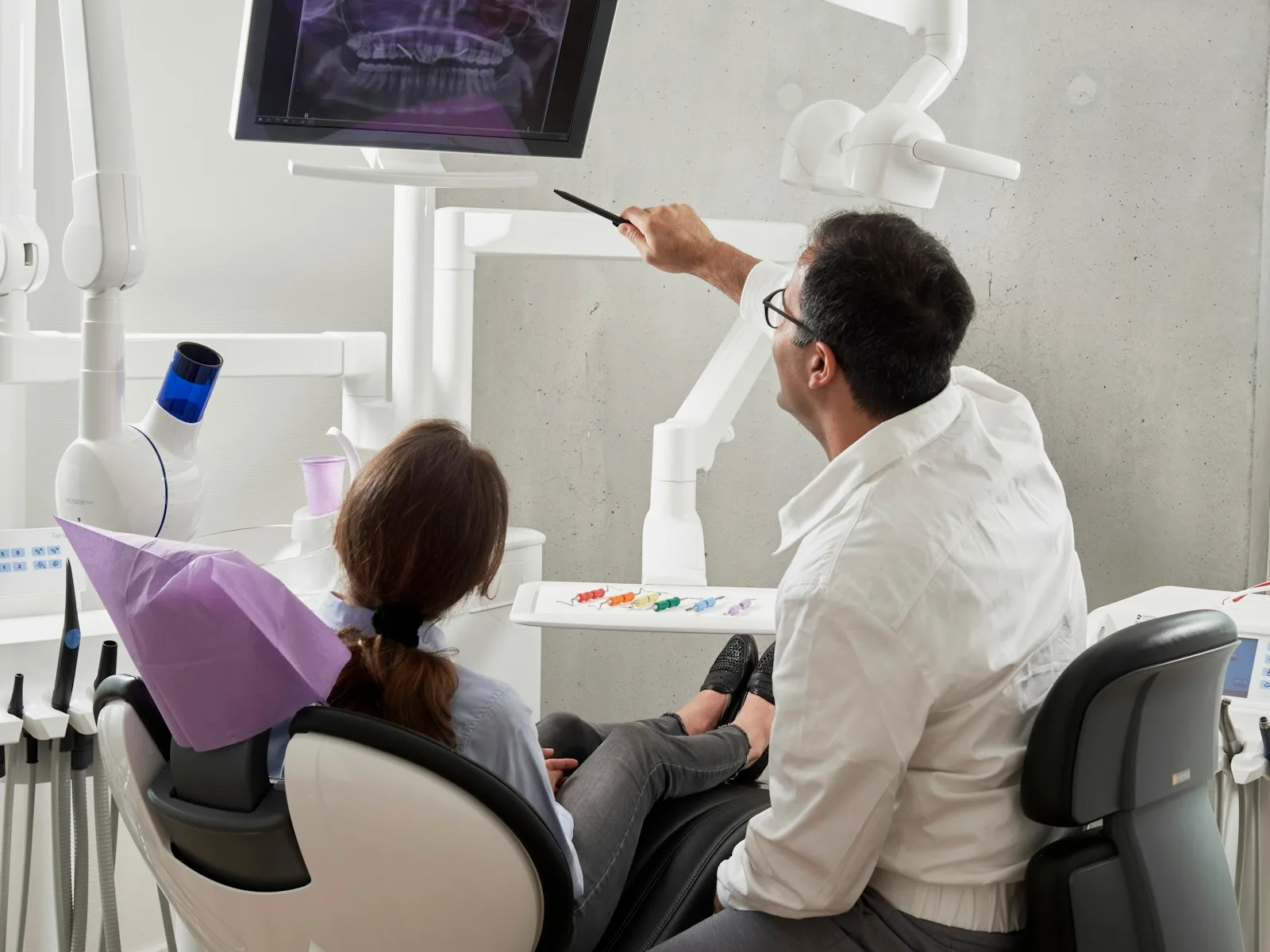
FULL MOUTH RESTORATION BANGKOK 2026: 2 TRIPS OR 3?
Real trip-count planning for full-mouth implant and crown work in Bangkok, with healing windows, clinic schedules, and three real THB price shortlists.
MEDICAL TOURIST VISA BANGKOK 2026: 60 AND 90 DAY OPTIONS
Thailand offers visas for plastic surgery patients needing longer recovery. Here is which option fits your procedure, stay length, and country.

FLYING AFTER DENTAL IMPLANT BANGKOK: TIMING & PRESSURE 2026
A fit-to-fly timeline for single implants, All-on-4 and sinus lifts after Bangkok surgery, with cabin pressure rules, bone graft wait times and clinic checklists.
▶▶▶ stop reading. start matching.
FIND YOURS.
Answer a one-minute quiz and see four clinics matched to your treatments and budget. Free, no fees.