FLYING AFTER DENTAL IMPLANT BANGKOK: TIMING & PRESSURE 2026
A fit-to-fly timeline for single implants, All-on-4 and sinus lifts after Bangkok surgery, with cabin pressure rules, bone graft wait times and clinic checklists.
By Dr. Anya Sato, DDS

Every Bangkok dental tourist asks the same question at the end of the consultation: how soon can I get on the plane. The answer is not the twenty four hours most airlines quote, because dental implant surgery has its own rules about cabin pressure, bleeding risk and bone graft stability. A single straightforward implant in a healed site is very different from an All-on-4 or a sinus lift, and the fit-to-fly window swings from 48 hours to a full week depending on what the surgeon actually did in your mouth. This guide pulls together the specific timings that Bangkok implant clinics use for international patients in 2026, plus the questions you should ask before you book the return ticket.
WHY CABIN PRESSURE MATTERS AFTER IMPLANT SURGERY
Commercial aircraft cruise at 36,000 to 40,000 feet but cabin pressure is kept at the equivalent of 6,000 to 8,000 feet above sea level. That pressure drop expands any trapped gas inside the body by roughly 20 to 25 percent, which is the reason ENT surgeons ground post-rhinoplasty patients for seven to ten days. The same physics apply to the maxillary sinus, the floor of which sits a few millimetres above the roots of your upper back teeth. If the surgeon lifted the sinus membrane or placed an implant that pokes into the sinus floor, that pressure differential can disturb the graft and cause bleeding, membrane tear or barosinusitis pain that lasts the whole flight. Lower-jaw implants are much less affected because there is no air cavity nearby.
Beyond the sinus, cabin air is also dry (around 10 to 20 percent humidity), which slows wound healing, and long-haul immobility raises the DVT risk that any post-surgical patient should care about. The practical rule Bangkok implant surgeons apply is simple: the longer the flight and the bigger the surgical footprint, the longer the ground wait. A ten-hour flight home to London or Sydney is not the same recovery event as a one-hour hop to Phuket.
THE BANGKOK FIT-TO-FLY TIMELINE BY PROCEDURE TYPE
Below is the consolidated timeline Bangkok implant clinics use for English-speaking medical tourists. These windows assume uncomplicated surgery, normal clotting, no active infection and a direct long-haul flight. Clinics will shorten the window for short-haul and lengthen it if they placed grafts or used sedation.
- 01Single lower-jaw implant, no graft: 48 to 72 hours is standard, 24 hours is acceptable for a short-haul flight.
- 02Single upper-jaw implant, no sinus involvement: 72 hours before a long-haul flight.
- 03Single implant with socket preservation or small bone graft: 5 to 7 days.
- 04Sinus lift (internal, osteotome technique): 7 to 10 days with no air travel, no diving and no straw use.
- 05Sinus lift (lateral window, bigger graft): 10 to 14 days; most Bangkok surgeons will refuse to clear you earlier.
- 06All-on-4 or All-on-6 full arch: 5 to 7 days, driven more by swelling, haematoma risk and suture stability than by cabin pressure.
- 07Immediate-load implants with provisional bridge: 5 days, with a soft-food plan locked in for the flight.
- 08Full mouth restoration with multiple grafts: 10 to 14 days, usually combined with the second-visit crown placement anyway.
For a reality check on how these windows fit the two-trip or one-trip model most tourists are choosing, our guide on trips and days to plan for sits alongside this one. The fit-to-fly window is the hard floor; it does not replace the healing calendar.
WHAT A BANGKOK IMPLANT SURGEON ACTUALLY CHECKS BEFORE CLEARING YOU
A fit-to-fly release is not a rubber stamp. Clinics like BIDC, Bangkok International Dental Hospital, Thantakit and BFC Dental run a short post-op review the morning of your departure: haemostasis at every surgical site, no active oozing when you press on the flange of the healing abutment, suture integrity, and pain controlled on paracetamol rather than tramadol. For sinus procedures they will ask about nasal bleeding, pressure sensation on bending forward and whether the Valsalva test (gently blowing with nostrils pinched) produces any air escape through the socket. A positive Valsalva means the sinus membrane is not yet sealed and you do not fly.
If the clinic placed sedation or IV antibiotics, they will also screen for post-sedation dizziness and temperature. A low-grade fever on the morning of departure is a red flag; a return to clinic beats boarding a 12-hour flight with the start of an infection. Most Bangkok dental hospitals will issue a formal fit-to-fly letter in English on request, which can matter if you are flying business or first class and want to sit upright through the taxi.
BONE GRAFTS: THE QUIET REASON THE WAIT IS LONGER THAN YOU THINK
Roughly 40 to 60 percent of implant patients at the top Bangkok clinics need some form of grafting, and this is where the flight timeline shifts most. A small particulate graft inside a fresh extraction socket adds two days to the standard timeline. A lateral window sinus augmentation with bovine or synthetic granules, membrane and tacks adds a full week, because cabin pressure acting on an unsealed Schneiderian membrane is the single event that can collapse the graft and lose months of osseointegration. If you flew home too early and the graft fails, you are back on a plane within six months for a redo at your own cost.
Clinics with in-house CBCT scanners (standard at BIDC, Thantakit, BFC Dental Emsphere and Bangkok International Dental Hospital) will show you on the scan whether the implant tip is inside the sinus floor or cleanly below it. If it is clean, your flight window is in the shorter bracket. Ask to see the scan at consultation; the answer directly changes your return booking.
ALL-ON-4 AND FULL-ARCH CASES ON THE FLIGHT HOME
Full-arch cases carry a different risk profile. Cabin pressure is a smaller concern for most All-on-4 patients because the implants usually bypass the sinus with angulated posterior fixtures, but haematoma, lip-swelling and suture dehiscence are much bigger. Bangkok surgeons who do this volume (Neodent All-on-4 at BFC Dental runs around 250,000 THB per arch, Nobel Biocare All-on-4 at Bangkok Smile Silom runs about 350,000 THB per arch, Thantakit prices All-on-4 at roughly 340,000 THB per arch) will insist on five to seven days of local observation before you fly.
The provisional bridge is screwed to the implants for immediate function, which means every bite you take during recovery is also a micro-stress on fresh osseointegration. Clinics usually ask you to stay on a blended or soft-food diet for ten days including the flight day, which rules out the inflight meal and the celebratory steak dinner on arrival. For pricing context across brands and arch counts the full dental implant cost in Bangkok breakdown and the best-value Bangkok dental implant clinics shortlist cover the numbers in depth.
WHERE TO STAY BETWEEN SURGERY AND THE FLIGHT
The recovery window is where the Bangkok trip pays off compared to Seoul or Mexico City, because serviced-apartment inventory near implant clinics is dense and cheap. Sukhumvit, Asok, Phrom Phong and Phaya Thai all put you within fifteen minutes of a major dental hospital by BTS or short taxi. For sinus lifts and full-arch cases you want ground-floor or low-floor accommodation (fewer lifts, less bending) and ideally a kitchenette for blended soft food. Our breakdown of Bangkok recovery apartments by district walks through the trade-offs.
If your clinic is in Ratchada or Din Daeng (Thantakit, BIDC Din Daeng, Bangkok International Dental Hospital) and your flight leaves from Suvarnabhumi, book the pre-flight hotel night in Sukhumvit rather than near the airport, because clinic access for a last-minute post-op check matters more than the twenty-minute airport taxi. Keep the Grab app funded and the clinic WhatsApp or LINE line in your phone.
FLIGHT-DAY PACKING LIST THAT IMPLANT PATIENTS ACTUALLY NEED
- 01Fit-to-fly letter from the clinic (English), useful at check-in and for insurance claims.
- 02Prescribed amoxicillin or metronidazole course, dosed through the flight and 48 hours after.
- 03Saline rinse syringe and non-alcoholic chlorhexidine 0.12% mouth rinse.
- 04Ice pack or frozen gel strip for the first two hours of the flight.
- 05Soft silicone bite guard if the clinic issued one for the provisional bridge.
- 06Blended soft-food pouches or protein shakes for the inflight meal window.
- 07Gauze pads and a spare for low-grade oozing during the first six hours.
- 08Nasal saline spray (for sinus-lift patients) to keep mucosa moist in dry cabin air.
- 09Compression socks for any flight over four hours.
- 10Clinic emergency WhatsApp number and a local 24-hour dental hospital contact at your home destination.
RED FLAGS THAT MEAN YOU DO NOT BOARD
Bleeding that soaks a gauze pad every ten minutes, visible pus around a healing abutment, a hard swelling on the cheek that is still growing at 48 hours, numbness that extends into the lower lip or chin and has not improved, fever above 38.3 degrees C, or air escaping through the socket on gentle nose-blowing are all signs to cancel the flight and return to clinic. Travel insurance that explicitly covers dental complications (a separate rider in most policies) will typically reimburse a rebooked flight with a clinic note. Before you fly out of Bangkok with any of these signs you are not just risking the implant; you are risking a facial space infection at 35,000 feet with no dental cover.
CAN I FLY HOME THE SAME DAY AS MY DENTAL IMPLANT SURGERY?
No reputable Bangkok implant surgeon will clear a same-day flight after surgical placement. The clotting window is the first six hours and cabin pressure plus dry air plus dehydration all extend bleeding. The earliest realistic window for a single lower-jaw implant on a short-haul flight is 24 hours, and 48 to 72 hours is the standard long-haul rule.
HOW LONG SHOULD I WAIT TO FLY AFTER A SINUS LIFT?
Seven to ten days for an internal osteotome lift, ten to fourteen days for a lateral window with a larger graft. Bangkok surgeons will ask you to avoid nose-blowing, straw use, scuba diving and air travel across that whole window. The limiting factor is the Schneiderian membrane seal, not the implant itself.
DOES CABIN PRESSURE AFFECT DENTAL IMPLANTS OR HEALING BONE?
The implant fixture itself is unaffected because titanium does not care about 20 percent pressure differentials. The soft tissue, blood clot, bone graft and sinus membrane around it are what respond. The risk is membrane tear, graft displacement, haematoma and post-flight barosinusitis pain. Lower-jaw implants without grafts are very low risk; upper-jaw implants with sinus work are the highest.
DO I NEED A FIT-TO-FLY LETTER AFTER DENTAL SURGERY IN BANGKOK?
No airline currently requires one for routine dental implant surgery, but most Bangkok dental hospitals will issue one in English on request. It is useful if you want to book business class for a flat-bed return, if you are claiming on travel insurance for seat upgrade, or if you have any visible swelling that might concern cabin crew at the gate.
WHAT IF I HAD ALL-ON-4 OR A BONE GRAFT, NOT A SINGLE IMPLANT?
Full-arch and graft cases carry a longer wait: five to seven days for All-on-4, seven to fourteen days where a graft is involved. The risk is not cabin pressure in most arches but post-surgical swelling, suture dehiscence and provisional bridge micro-trauma. The soft-food window extends through the flight.
WHICH SEAT CLASS SHOULD I BOOK FOR THE RETURN FLIGHT?
Any seat is fine for a cleared single implant. For All-on-4, sinus lifts and full-mouth cases, the upright-to-recline flexibility and extra legroom of premium economy or business matter more than any specific cabin feature. A flat bed is helpful for sleeping through swelling but not clinically required. Choose aisle so you can hydrate and walk to reduce DVT risk.
WHAT MEDICATIONS AND SUPPLIES SHOULD I PACK FOR THE FLIGHT?
Prescribed antibiotics on schedule, paracetamol for pain, chlorhexidine 0.12% rinse, saline nasal spray if the surgery involved the sinus, gauze pads, blended soft food, compression socks and your fit-to-fly letter. Skip ibuprofen for the first 48 hours after implant surgery because it can increase bleeding; ask the clinic which analgesic they recommend for your specific case.
BOOK THE CLINIC FIRST, THE RETURN FLIGHT SECOND
The single most expensive mistake dental tourists make is booking a one-week Bangkok trip, then choosing the implant plan to fit it. The right order is reversed: pick the clinic, do the CBCT consultation, hear the real surgical plan (is it a single implant, a graft, a sinus lift, or All-on-4), then book the flight with the fit-to-fly window the surgeon gives you. Running the credential check from our English-speaking dentists verify checklist adds another hour of due diligence and saves a repeat trip. Answer a one-minute quiz and see four dental clinics matched to your treatment and budget.
How-to · 10 min · Nov 14, 2026
← all posts
BANGKOK PLASTIC SURGERY INSURANCE LETTERS: GUIDE 2026
Insurance letters from Bangkok plastic surgery clinics unlock travel claims, visa approval, and HR leave. Here is exactly what to request before you fly.

REVISION SURGERY BANGKOK 2026: IN-COUNTRY VS RETURN
Revision plastic surgery in Bangkok: when to stay and extend, when to fly home and come back, how real clinics handle revision pricing and timing.
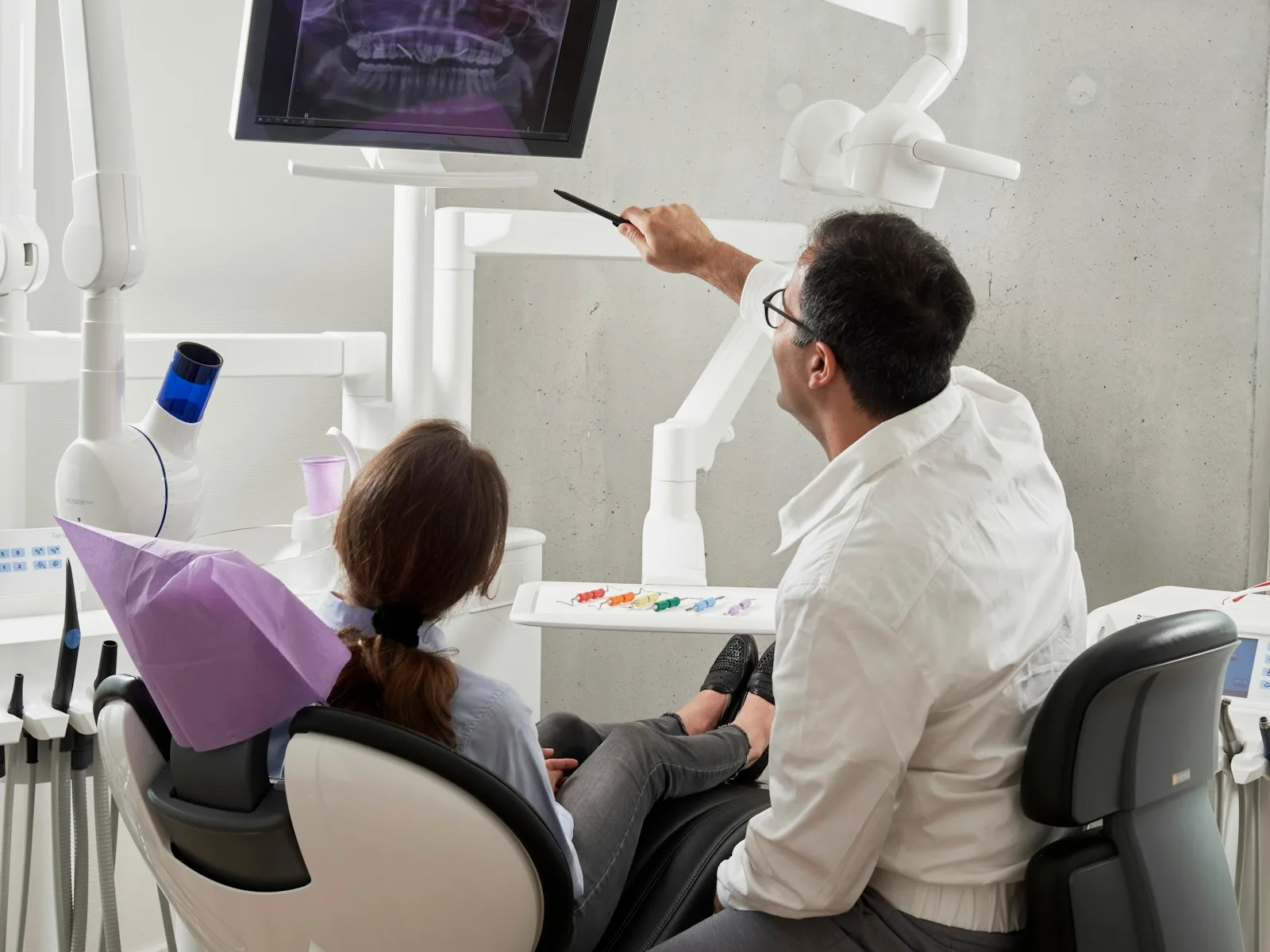
FULL MOUTH RESTORATION BANGKOK 2026: 2 TRIPS OR 3?
Real trip-count planning for full-mouth implant and crown work in Bangkok, with healing windows, clinic schedules, and three real THB price shortlists.
MEDICAL TOURIST VISA BANGKOK 2026: 60 AND 90 DAY OPTIONS
Thailand offers visas for plastic surgery patients needing longer recovery. Here is which option fits your procedure, stay length, and country.
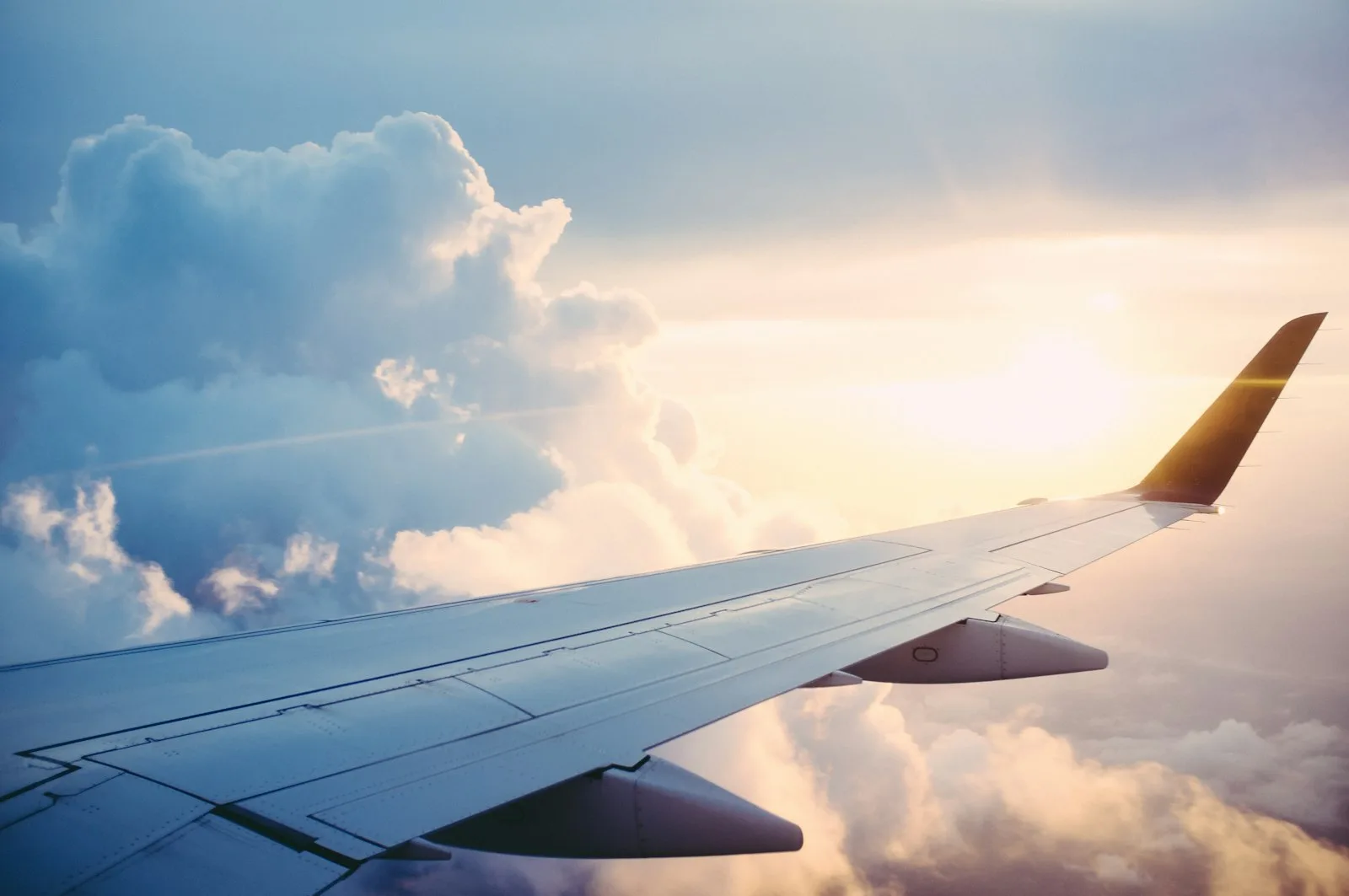
FLYING AFTER FACELIFT BANGKOK: TIMING, SWELLING, PRESSURE
Facelift patients ask when it is safe to board home. Here is the Bangkok recovery timeline, cabin pressure risk, and when surgeons sign off.
▶▶▶ stop reading. start matching.
FIND YOURS.
Answer a one-minute quiz and see four clinics matched to your treatments and budget. Free, no fees.